Flame Resistance, Safety, and Compliance
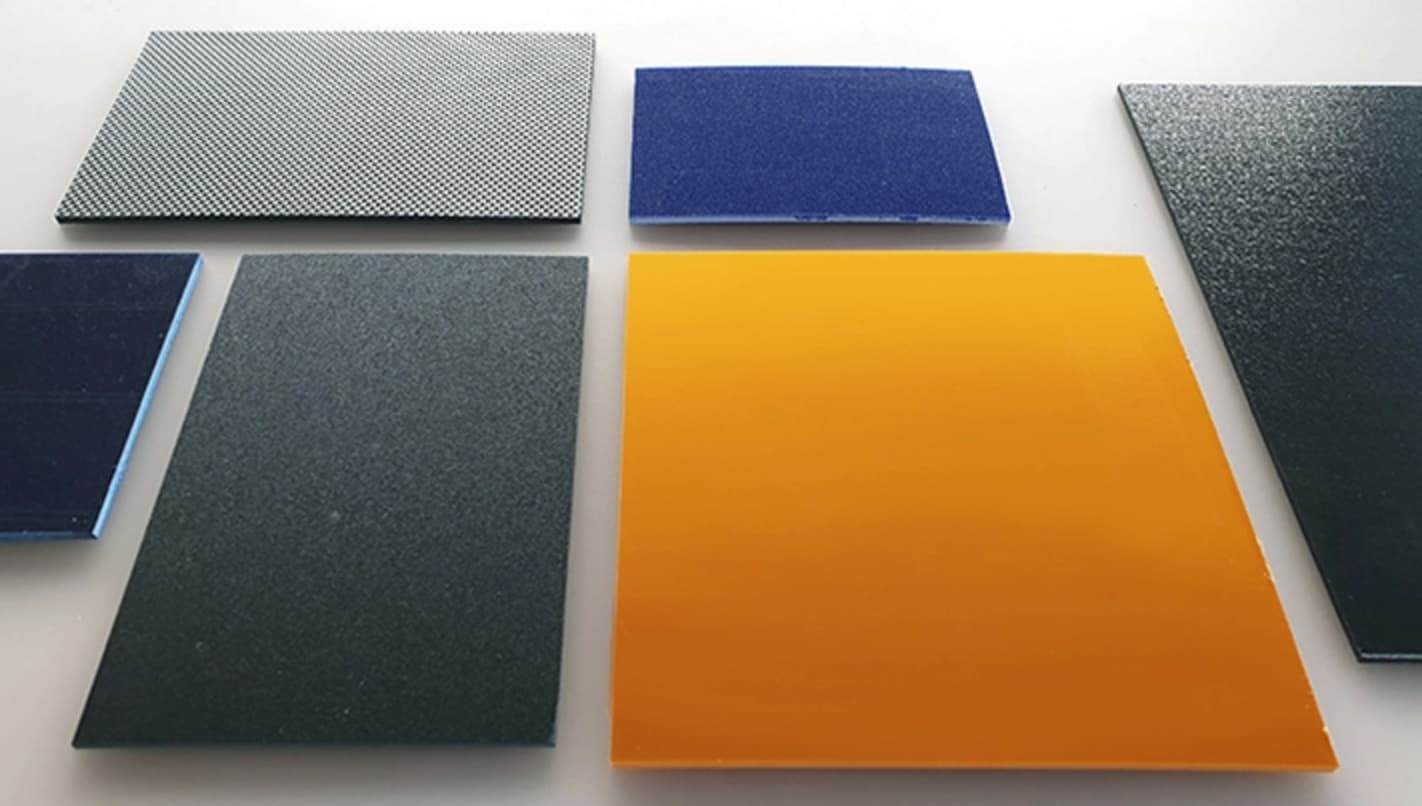
When a thermoformed part is used in electrical equipment, transportation interiors, or any application where fire safety matters, UL certification becomes a critical material selection criterion. But "UL certified" is not a simple label — it involves sp...
How to choose the right plastic sheet for large, custom vacuum-formed parts
In heavy-gauge thermoforming — where sheet thicknesses range from 2 mm to 12 mm and part dimensions can exceed 5000 × 2500 mm — material selection is not just a resin question. It determines whether a part...
A Practical Guide for Engineers and Product Designers
Designing for vacuum forming is fundamentally different from designing for injection molding. In injection molding, the part takes the exact shape of the mold cavity. In vacuum forming, a flat sheet is heated and stretched over a mold — the...
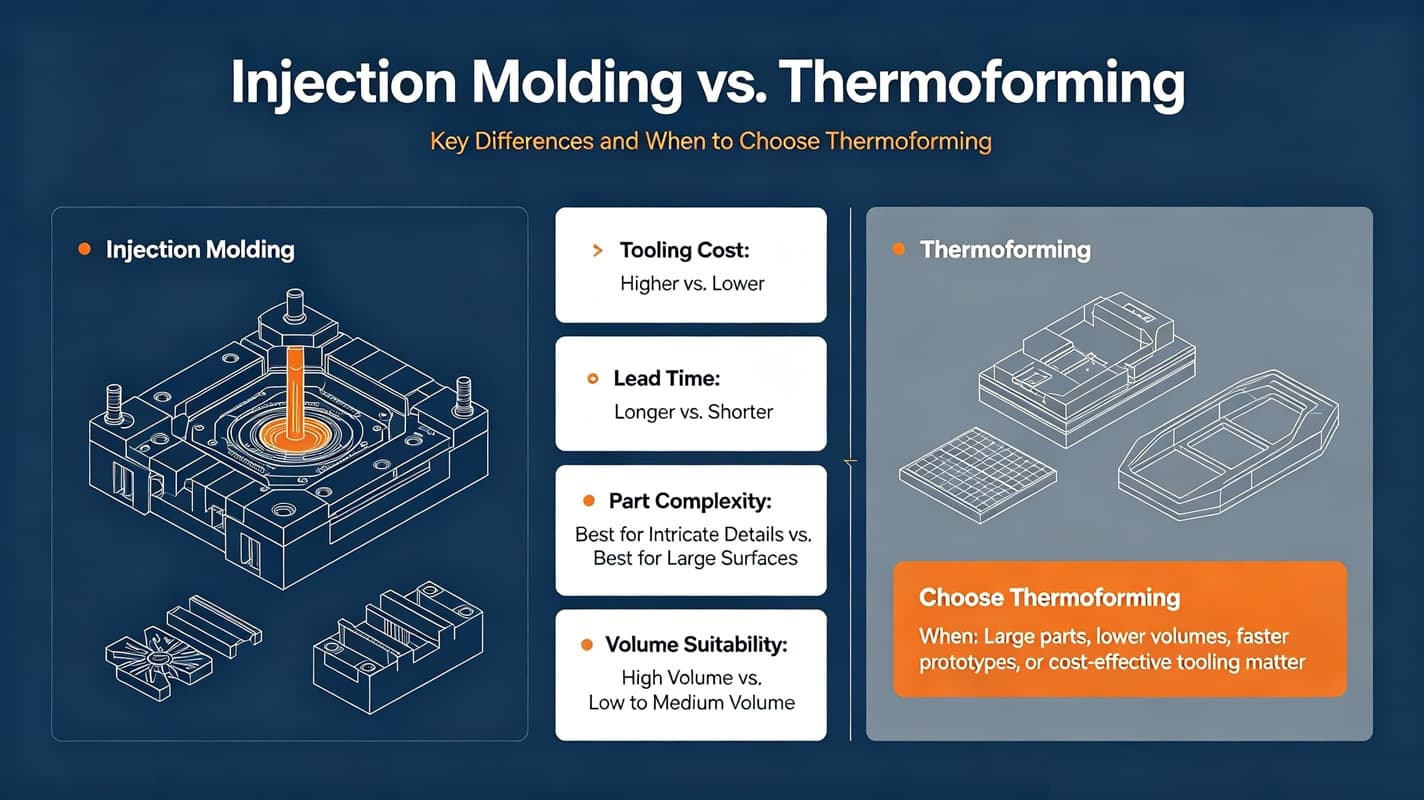
Injection Molding vs. Thermoforming: Key Differences and When to Choose Thermoforming
When designing custom plastic components, choosing the right manufacturing process is just as critical as selecting the right raw material. Two of the most prominent manufacturing methods in the plastics industry a...
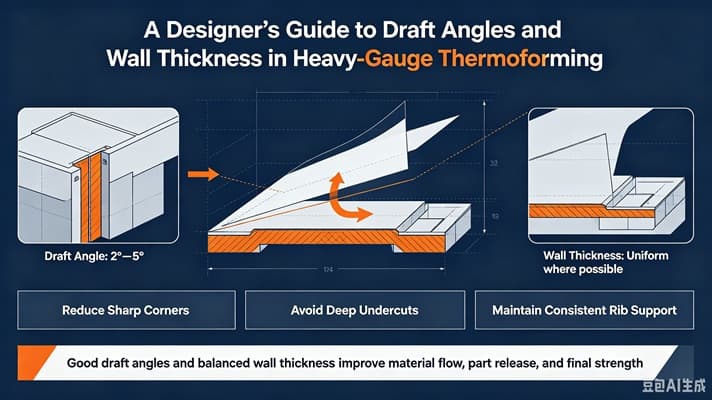
A Designer's Guide to Draft Angles and Wall Thickness in Heavy-Gauge Thermoforming
When designing components for heavy-gauge thermoforming (or vacuum forming), product designers and mechanical engineers often transition from injection molding or metal fabrication mentalities. However, thermoforming...
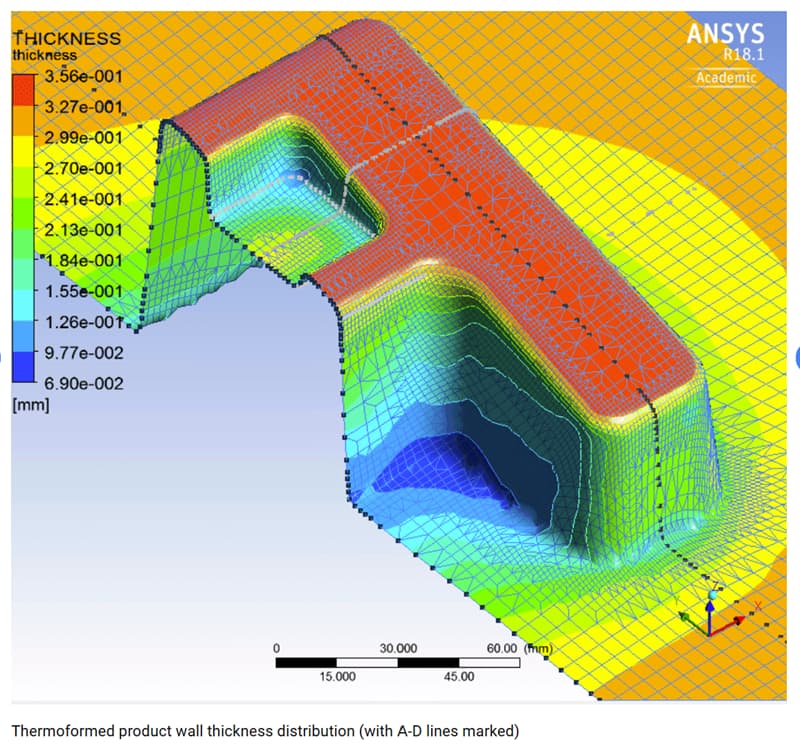
Why Starting Gauge Doesn't Equal Part Strength
One of the most common misconceptions in thermoforming is that a part's strength comes from the starting sheet thickness. In reality, the material redistributes during forming, and the finished part's strength depends on the formed wall distribution &md...