

How Does the Vacuum Forming Process Work From Prototype to Mass Production?

Alex brings 19 years of specialized experience in heavy-gauge thermoforming. As a core technical expert, he has guided numerous international clients through complex development cycles—from DFM analysis and material selection (PC, ABS, PMMA, etc.) to 5-axis CNC execution. His dedication to engineering precision and hands-on support has successfully brought countless global custom projects from CAD drawings to flawless market execution.
Have you ever wondered how an initial design concept transforms into a finished custom plastic product? Whether you are developing a new medical device housing or a protective automotive tray, understanding the manufacturing journey is essential. So, how does the vacuum forming process work when taking a project all the way from a digital prototype to full-scale vacuum forming production?
1. Phase One: Prototyping and Tooling Design
The journey always begins with your CAD design. During the prototyping stage, engineers evaluate the geometry of the part to ensure it is suitable for thermoforming (for instance, ensuring proper draft angles). Once the design is finalized, a cost-effective mold—often made from aluminum or composite materials—is created. Unlike expensive injection molds, vacuum forming tooling is significantly cheaper and faster to produce, making it the ultimate choice for rapid prototyping and design validation.
2. Phase Two: Heating and Forming the Plastic
Once the mold is securely in place on the machine, the actual manufacturing magic happens. A thermoplastic sheet is clamped into a frame and heated until it becomes soft and pliable. The heated sheet is then draped over the mold, and a powerful vacuum is activated. The vacuum sucks the plastic tightly against the surface of the mold, capturing every intricate detail and contour of the design. After a brief cooling period, the plastic solidifies into its final shape.
3. Phase Three: Trimming and Transitioning to Mass Production
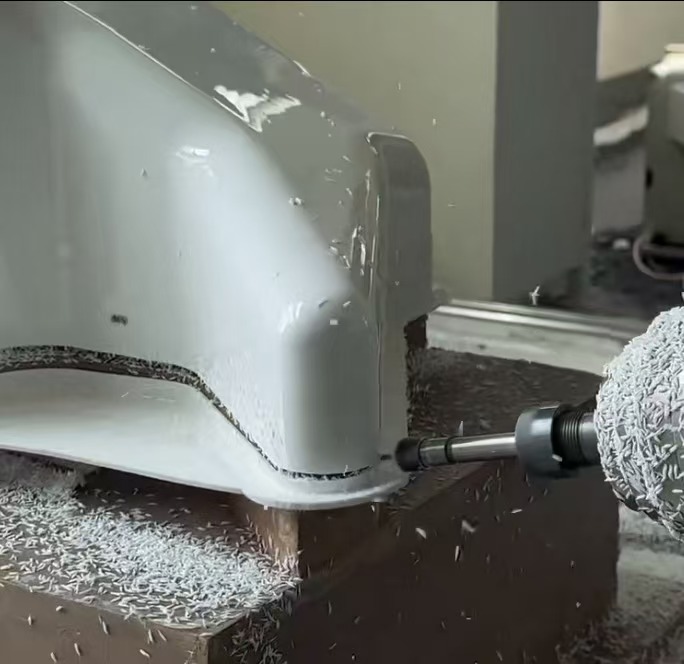
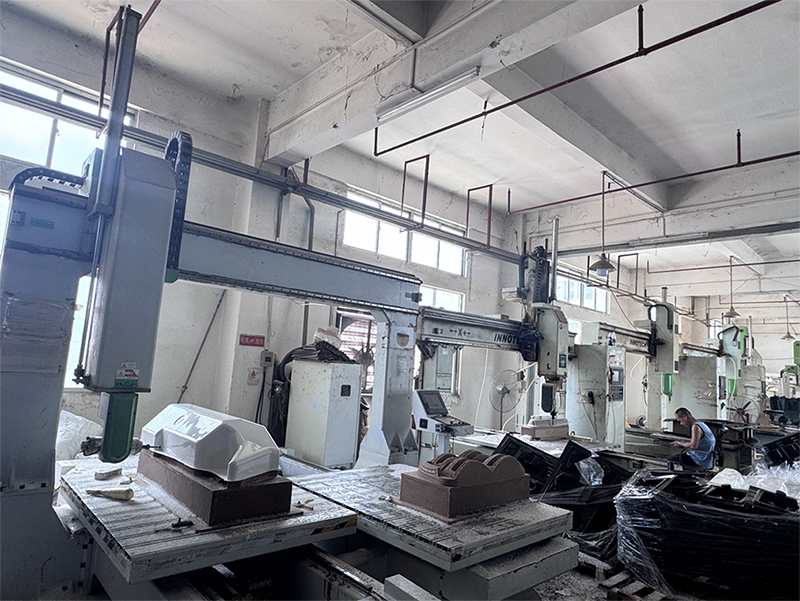
After the part cools, it is removed from the machine, and the excess surrounding plastic is trimmed away using CNC routers or die-cutting equipment. One of the greatest benefits of this technology is its scalability. While perfect for low-to-medium batches, modern automated vacuum forming lines can also handle high-volume vacuum forming production efficiently, ensuring consistent quality, fast turnaround times, and lower unit costs for large orders.
Conclusion
From a simple prototype to thousands of finished items, the vacuum forming journey is fast, flexible, and economical. By partnering with an experienced manufacturing team, you can streamline your supply chain and bring your custom plastic parts to market faster than ever.